 Finance with Cherry

Hearing Aid Styles
Finding Your Hearing Aid Style
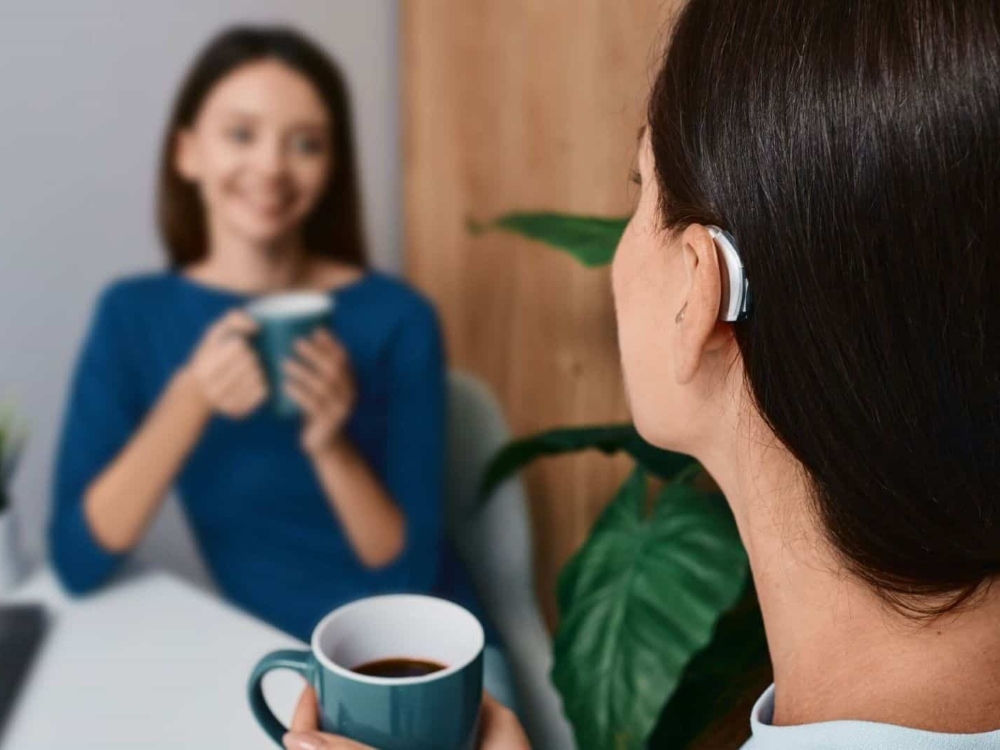
Choosing between hearing aid styles in Pittsburg, KS comes down to more than looks. Phonak, Oticon, and Widex each make devices that sit behind the ear, rest in the outer ear, or tuck inside the ear canal. Dr. Jordan Press, Au.D. matches the style to your hearing test, the shape of your ear canal, how easily you handle small parts, and how much you want the aids to show.
Which Style Fits Your Hearing Loss and Lifestyle
Each style has trade-offs in size, power, battery type, and features. During your consultation, Dr. Press explains which styles your hearing loss and ear shape allow and what you gain or give up with each, so you can choose with clear information.
Receiver-in-Canal (RIC)
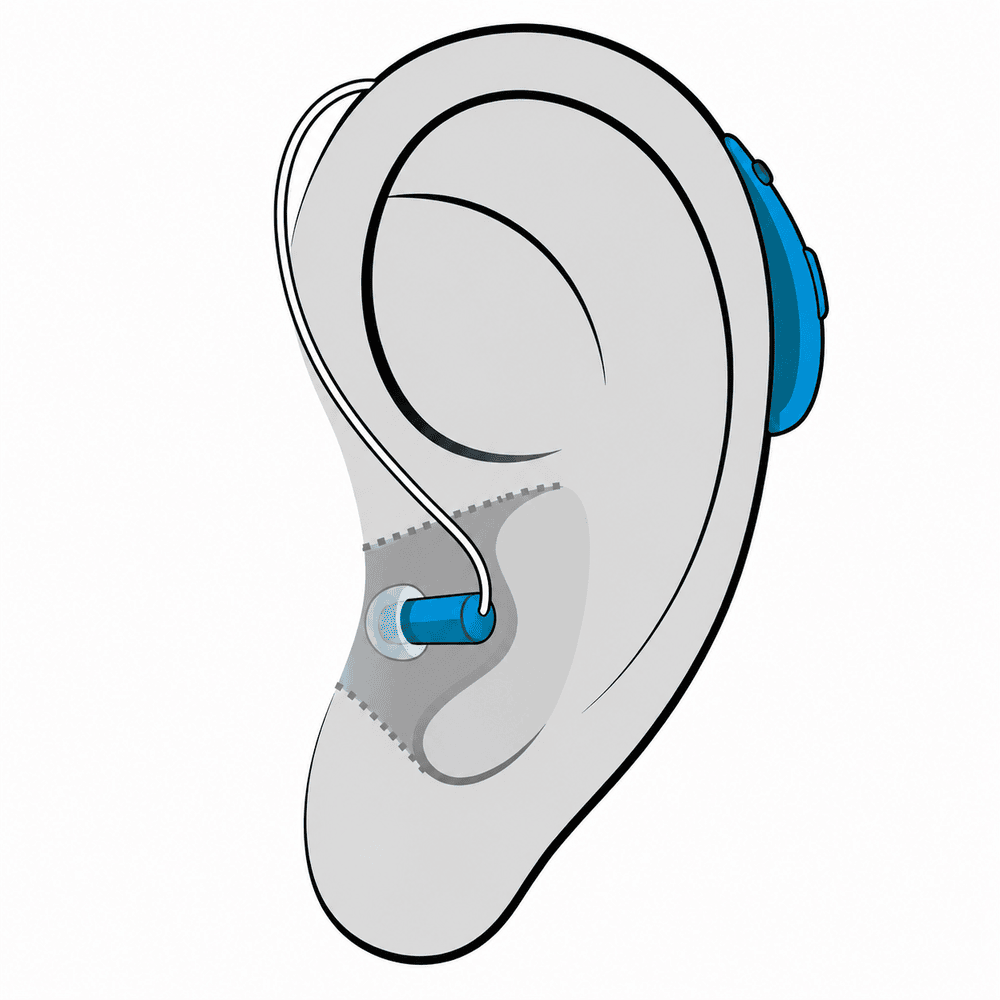
The most common hearing aid style today. A small case sits behind the ear and connects through a thin wire to a speaker that rests in the ear canal. Receiver-in-canal hearing aids are light, hard to spot, and widely available in rechargeable and Bluetooth versions. They work for mild to severe hearing loss, which makes RIC a practical starting point for many first-time wearers.
Behind-the-Ear (BTE)
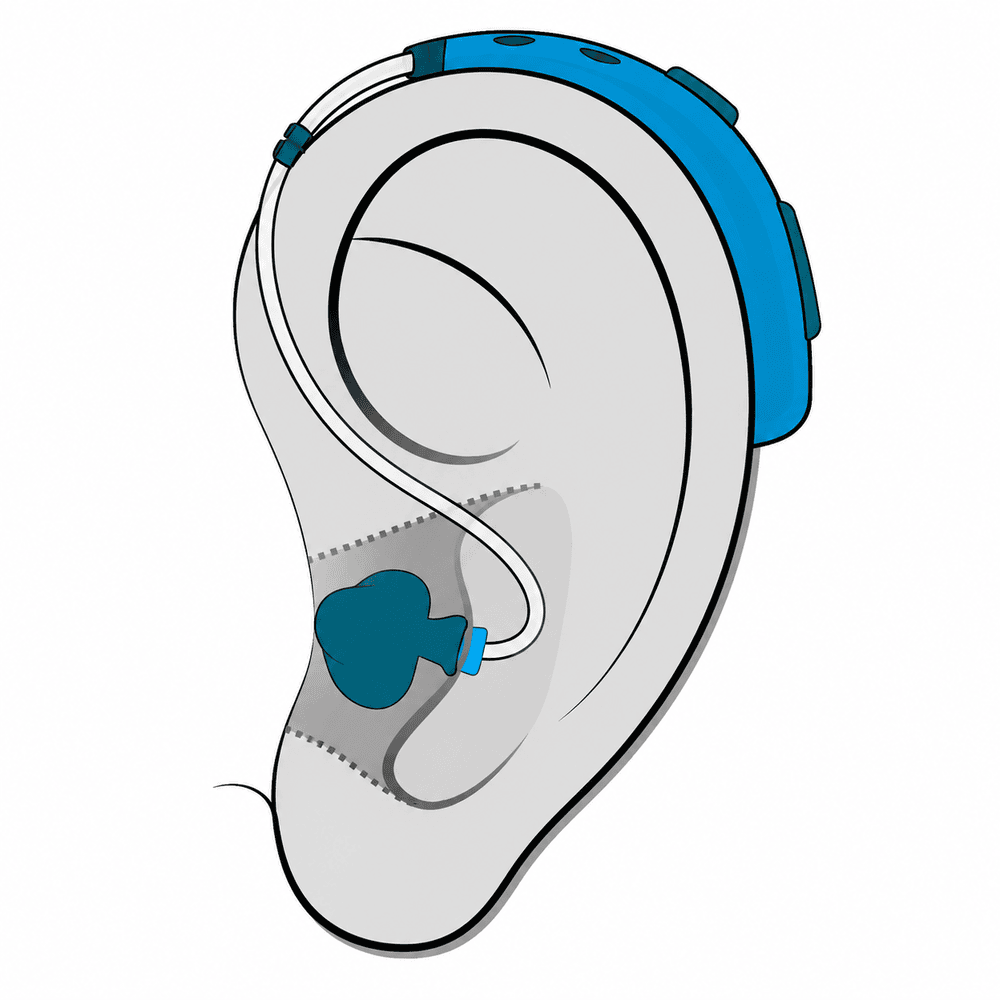
The most powerful style. The case sits behind the ear and sends sound through a tube to a dome or custom earmold. Behind-the-ear hearing aids hold larger batteries, deliver the most amplification, and are easy to handle. That makes them a good fit for moderate to profound hearing loss and for anyone who wants a sturdy device that's simple to clean.
In-the-Ear (ITE)
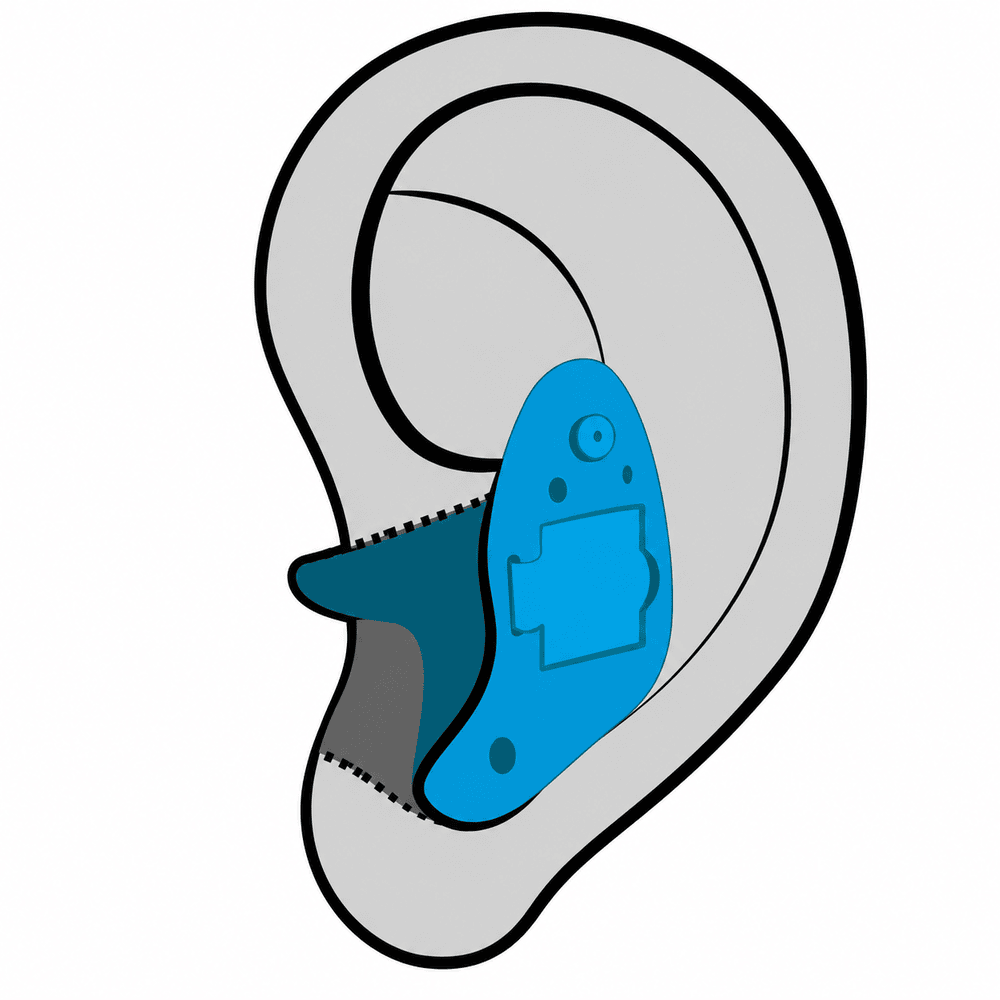
Custom-made to fill the bowl of the outer ear, in-the-ear hearing aids suit mild to severe hearing loss. The larger shell is easier to hold and insert, which helps if arthritis or stiff fingers make small parts frustrating. Many models include volume controls, directional microphones, wireless features, and rechargeable options.
In-the-Canal (ITC)
Custom-fit to sit partly inside the ear canal, ITC hearing aids are smaller and less visible than ITE models but still have room for directional microphones and some wireless features. They are often used for mild to moderate hearing loss by patients who want a low-profile device with simple controls.
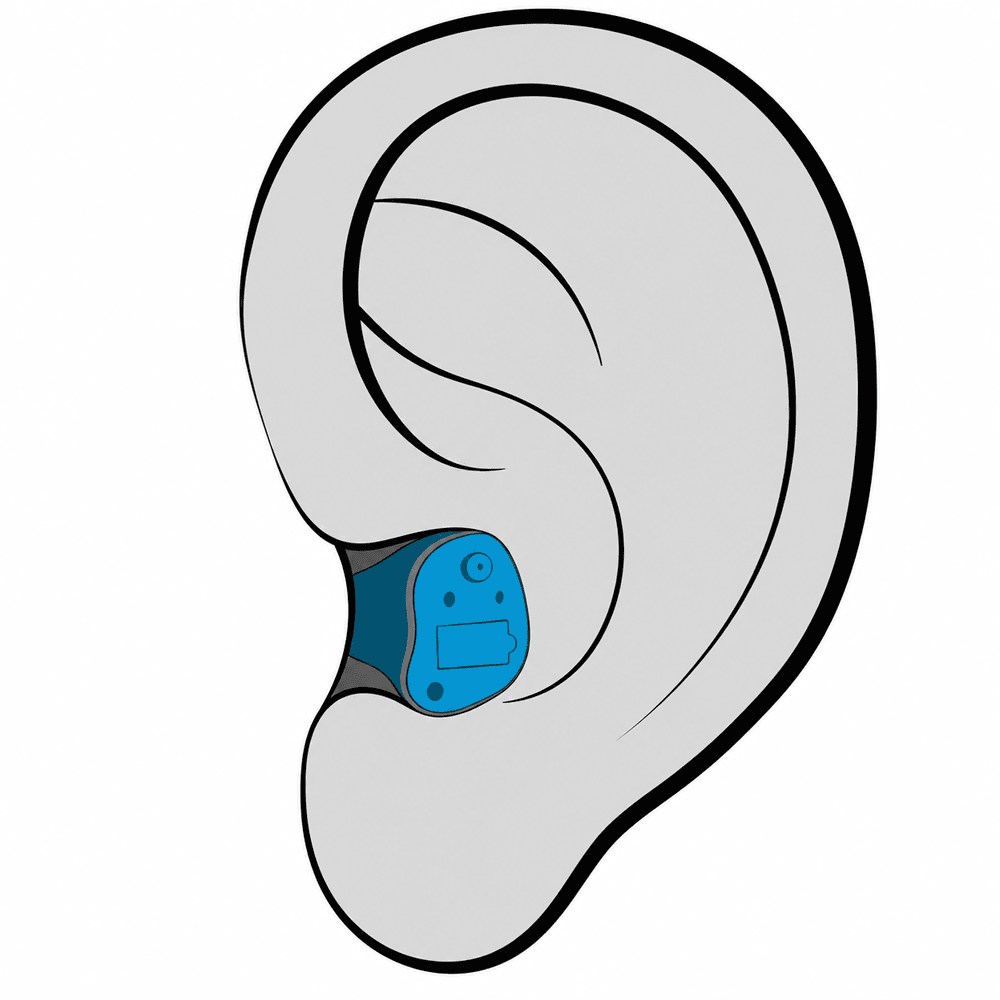
Completely-in-Canal (CIC)
CIC hearing aids fit completely inside the ear canal, with only a small removal handle showing at the opening. They are a common choice for mild to moderate hearing loss when appearance matters most. Their small size leaves less room for features, and they run on small disposable batteries, though some models still offer wireless connectivity.
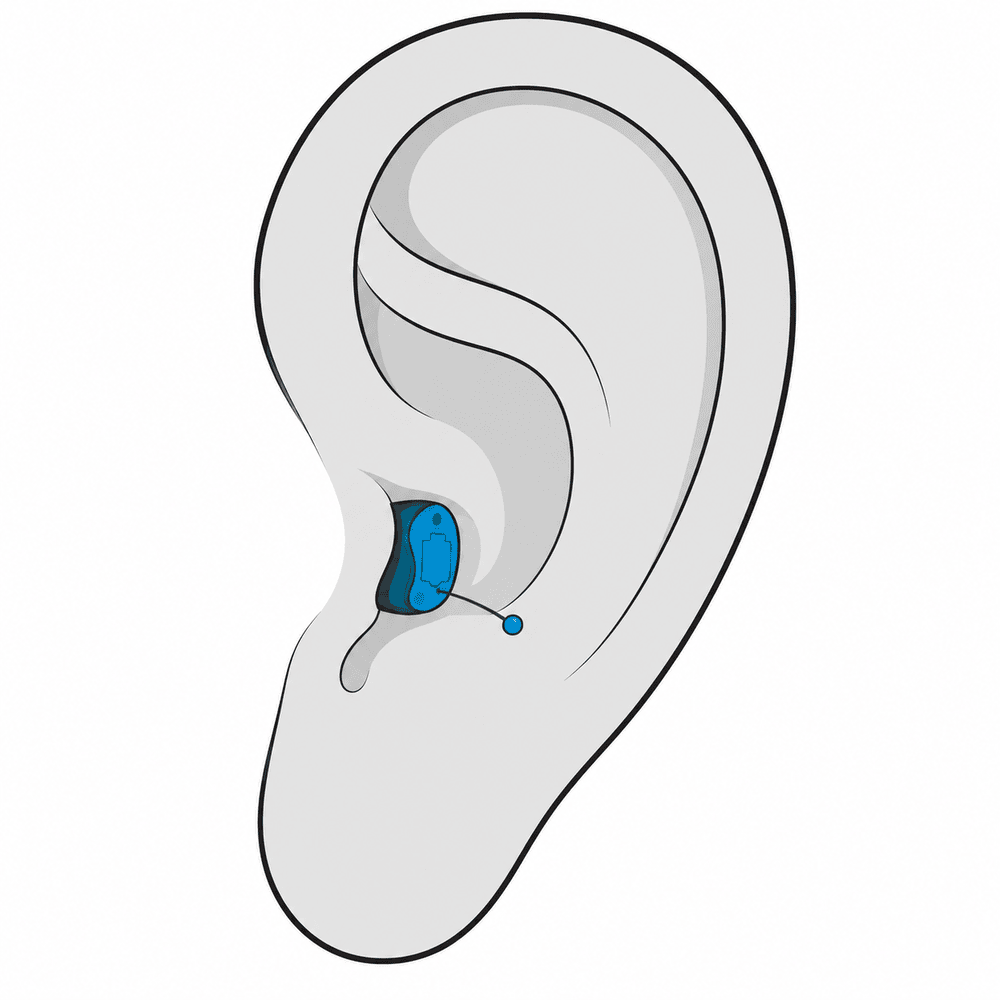
Invisible-in-Canal (IIC)
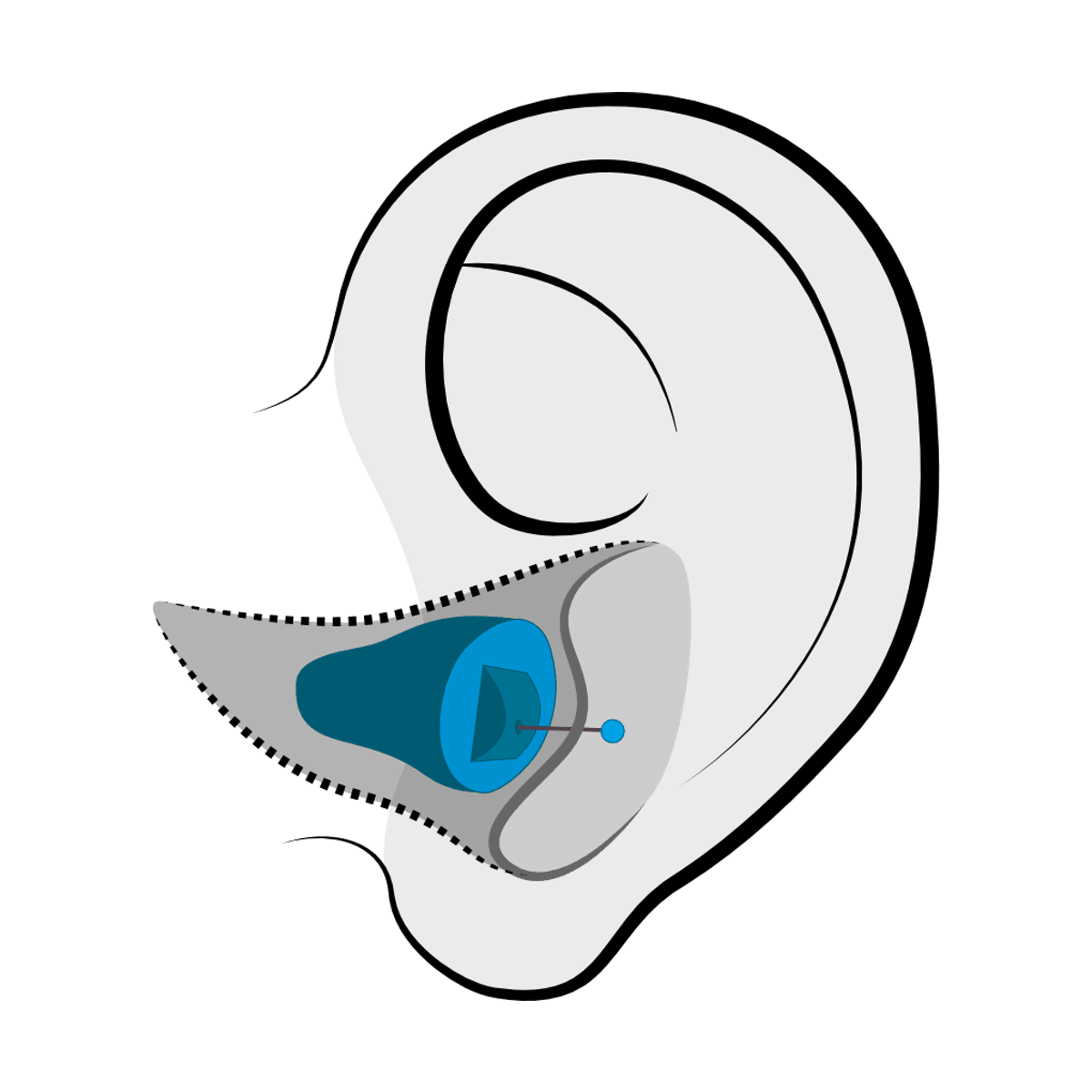
The smallest style. Invisible hearing aids sit deep in the ear canal where others are unlikely to notice them. They suit mild to moderate hearing loss and are removed with a small pull string. Not every ear canal is large enough or shaped right for one, and Dr. Press checks that during your evaluation.
Hearing Aid Styles FAQs
Common questions about hearing aid styles in Pittsburg and Kansas City: the most discreet options, which styles are rechargeable, help for one-sided hearing loss, and how to choose.
Invisible-in-canal (IIC) and completely-in-canal (CIC) hearing aids are the smallest styles. They sit deep in the ear canal, and most people around you won't notice them. A slim receiver-in-canal aid is also hard to spot, since the small case behind the ear is often hidden by hair or glasses.
Tiny devices have limits. They suit mild to moderate hearing loss, hold small batteries that need changing often, and leave less room for features like directional microphones. They also need an ear canal with enough room. Dr. Press can tell you during your evaluation whether a deep-fitting style will work for your ears and your hearing.
Not every style. Rechargeable versions are widely available in receiver-in-canal and behind-the-ear designs from Phonak, Oticon, and Widex, and some custom in-the-ear models offer them too. The smallest in-canal styles usually run on disposable zinc-air batteries because there isn't room for a rechargeable cell and charging contacts.
Rechargeable hearing aids are a good fit if small batteries are hard for your fingers to handle or you'd rather set the devices in a charger each night. Others prefer disposables because a fresh battery takes seconds to swap. Dr. Press will go over which options your hearing loss allows. Call (620) 235-5015 to talk it through.
CROS hearing aids are made for people who have little or no usable hearing in one ear and normal hearing in the other. A microphone worn on the poorer side picks up sound and sends it wirelessly to a receiver on the better ear, so you can hear someone talking on your weak side.
BiCROS systems do the same thing but also amplify sound for a better ear that has some hearing loss of its own. Phonak, Oticon, and Widex all offer CROS solutions. Whether one is a good fit depends on your test results, so the first step is a hearing evaluation. Call (816) 361-2300 in Kansas City or (620) 235-5015 in Southeast Kansas.
Style is a clinical decision as much as a personal one. Dr. Press starts with your audiogram, because the degree of your hearing loss rules some styles in and others out. Then he looks at your ear canal shape, how easily you handle small parts, whether you want streaming or rechargeable batteries, and how much you want the devices to show.
He will also be straightforward about trade-offs. A tiny aid may look appealing but struggle in a noisy restaurant if your hearing loss needs more power. With three brands to choose from, the goal is a style you'll actually wear every day. Call (620) 235-5015 to set up a consultation.
Take 45 Days to Find Your Fit
Every pair of hearing aids fitted at Comprehensive Hearing Solutions comes with a 45-day trial. Adjusting to new hearing takes time, so wear them where your life happens: at work, at the dinner table, and out around Pittsburg, Fort Scott, or Kansas City. Follow-up visits with your audiologist are included, and if they aren't right, we will adjust them, try another model, or take them back.
Hearing Care Close to Home, From Pittsburg to Kansas City
Every visit is with Dr. Jordan Press, Au.D., and every recommendation starts with a thorough hearing evaluation.
Serving Southeast Kansas & Kansas City
Three Offices, Two States
Dr. Jordan Press, Au.D., sees patients at offices in Pittsburg, Fort Scott, and Kansas City. Choose the one closest to you on the map.
- Southeast Kansas: (620) 235-5015
- Kansas City: (816) 361-2300
- jpress.aud@outlook.com
- Fax: (620) 240-9089
- A Doctor of Audiology at every visit
- Practicing audiology since 2017
- Phonak, Oticon & Widex hearing aids
“Incredibly patient… thoroughly explaining my hearing loss.”— Google review, Pittsburg office
Select a location for more information